

When Life Is Back to Normal—but Your Child Isn't
PART 1 OF 4
Understanding Why Some Kids and Teens Are Still Feeling the Effects of the Pandemic Years
The classrooms reopened.
Sports returned.
Birthday parties filled the calendar again.
Masks disappeared from backpacks.
And eventually, life began to look familiar.
For many parents, there was an understandable expectation that our children would simply pick up where they left off.
Kids are resilient, after all.
But what if your child didn't?
Maybe the child who once walked confidently into school now needs reassurance before you leave.
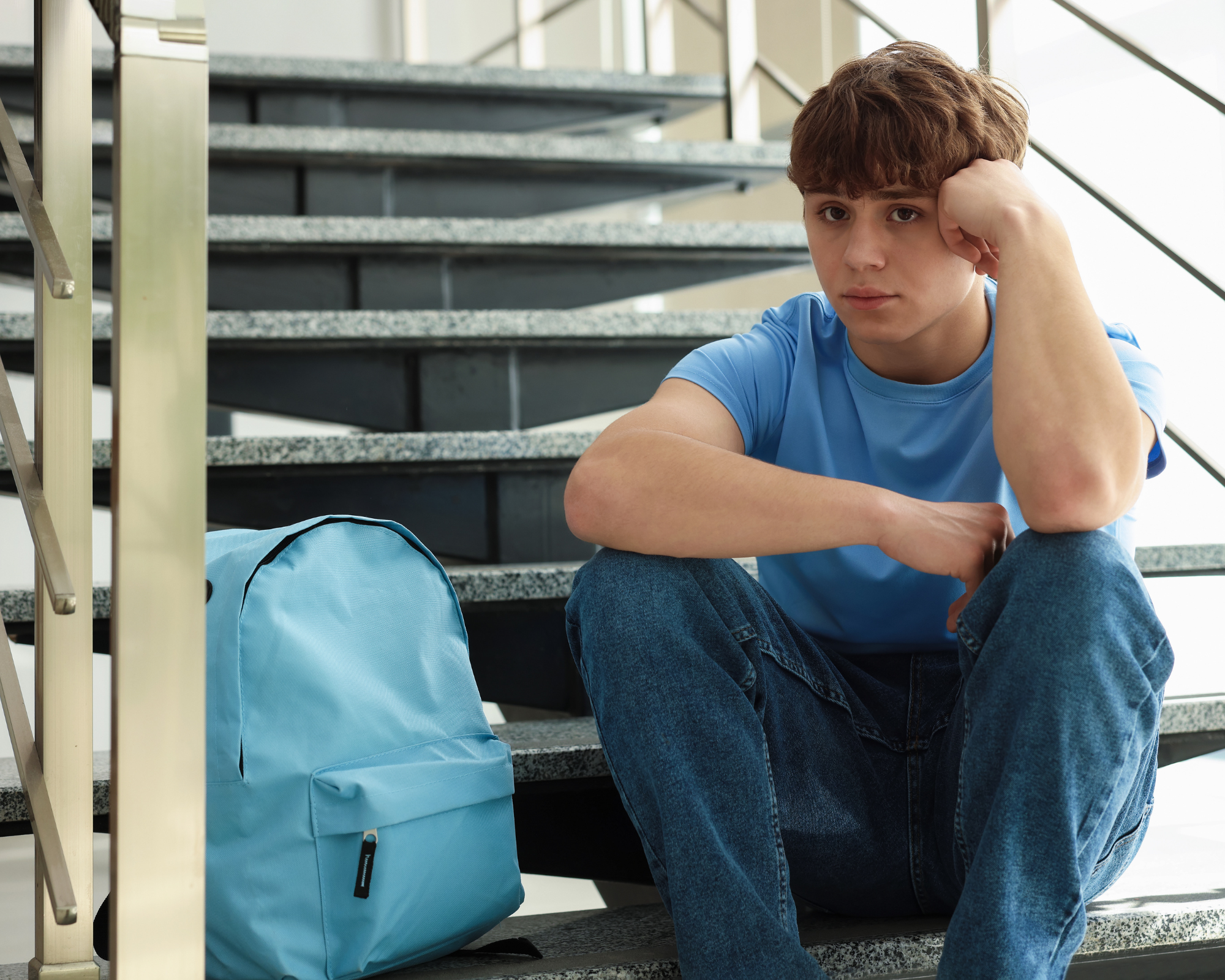
Maybe your teenager who once enjoyed being around friends spends more time alone.
Maybe school feels harder.
Social situations feel more complicated.
Small stresses seem to become big ones much more quickly.
And as a parent, you may find yourself wondering:
Shouldn't we be past this by now?
For some children and teens, the answer isn't that simple.
The pandemic may be over as an emergency, but the years of isolation, uncertainty, disrupted routines, and reduced social interaction occurred during important developmental periods. Some families are still seeing the effects today. Pandemic Impact on Kids Article
Children Didn't Just Miss Events—They Missed Practice
Adults sometimes think about the pandemic in terms of what children missed.
School.
Sports.
Birthday parties.
Vacations.
Graduations.
But children also missed something less obvious:
practice.
The playground is where children practice negotiating.
The classroom is where they learn to read social cues.
Lunch tables teach them how to enter conversations.
Birthday parties teach them how to navigate groups.
Ordinary interactions provide hundreds of small opportunities to learn how relationships work.
During prolonged periods of reduced interaction, some children simply had fewer opportunities to practice those skills. The source describes this as a form of “social skills atrophy”—the skills are there, but they may feel tired and out of practice. Pandemic Impact on Kids Article
Anxiety Didn't Necessarily Leave When Restrictions Did
For a long period of time, children heard that the world could be dangerous.
Stay apart.
Don't touch.
Be careful.
Someone could get sick.
Then the message changed.
Go back.
Join in.
Be social.
Return to normal.
For some children, that transition happened easily.
For others, the worry lingered.
Parents may now notice excessive worry about health, separation anxiety, social anxiety, or a lower tolerance for everyday stress. Pandemic Impact on Kids Article
School Can Feel Harder, Too
Academic struggles aren't always simply about a child “falling behind.”
Some children lost endurance for the structure and pace of a full school day.
Sitting through classes.
Changing subjects.
Remembering assignments.
Managing homework.
Navigating classmates.
Keeping up with extracurricular activities.
Doing it again tomorrow.
That mental load can be exhausting.
The source notes that beyond academic learning loss, some students also struggled with the endurance required for full-time, in-person schooling after the flexibility of remote learning. Pandemic Impact on Kids Article
Try Replacing “What's Wrong?” With “What's Hard?”
When children struggle with something we believe they should be able to handle, frustration can creep in.
Why won't they just go?
Why are they so nervous?
Why is homework such a battle?
Why don't they want to be around people?
But there may be a more useful question:
“What feels hard about this?”
That question moves us from correction toward understanding.
Your child may not be refusing to move forward.
They may still be learning how.
Frequently Asked Questions
Shouldn't children have adjusted by now?
Children don't all respond to stressful experiences on the same timeline. The source specifically notes that some children continue to experience anxiety, social difficulty, and overwhelm even after everyday routines resumed. Pandemic Impact on Kids Article
Does every social or academic struggle come from the pandemic?
No. The source does not suggest that every difficulty should be attributed to the pandemic. Rather, it identifies pandemic-related disruption as one possible contributor to challenges some children continue to experience.
Does this affect teenagers too?
Yes. The article discusses both children and teens, including social withdrawal among teenagers, anxiety, social difficulties, and academic burnout. Pandemic Impact on Kids Article
Should I lower my expectations?
Supporting your child doesn't necessarily mean removing expectations. It may mean helping them rebuild skills gradually and recognizing that some things require more effort than they once did.
The Bottom Line
Life returning to normal doesn't automatically mean every child feels normal again.
Some children are still rebuilding confidence.
Some are relearning social skills.
Some are managing anxiety.
Some are exhausted by expectations that everyone else seems to handle easily.
Instead of asking why they haven't “caught up,” we can begin by understanding what they may still be rebuilding.
Key Takeaways
✔ Some children and teens continue to experience emotional, social, and academic challenges following the pandemic years.
✔ Reduced social interaction meant fewer opportunities to practice important interpersonal skills.
✔ Anxiety can continue even after the original source of uncertainty has passed.
✔ Academic difficulty may involve stamina and mental load—not simply grades.
✔ Struggling does not necessarily mean a child is being difficult.
✔ Understanding what's hard is often more helpful than demanding that a child simply “get over it.”
✔ Progress may require patience and intentional practice.
A Thought to Leave You With...
Children are often described as resilient.
And they are.
But resilience doesn't always mean bouncing back as though nothing happened.
Sometimes resilience looks like rebuilding.
Trying again.
Practicing something that used to feel easier.
Taking one small step toward something that now feels uncomfortable.
Maybe our children don't need us asking:
“Why aren't you back to normal yet?”
Maybe they need to hear:
“I see that this is still hard. Let's figure out the next step together.”
Continue the Series
Next Article
In Part 2, we'll look more closely at lingering anxiety and practical ways parents can help children feel safer, name what they're experiencing, and gradually practice doing difficult things without allowing anxiety to take over.
➡️ Continue to Part 2 — When Anxiety Lingers: Helping Your Child Feel Safe Without Feeding the Fear
Related Articles
When Fear Doesn't Go Away: Recognizing When Your Child May Need More Support
Some worry is a normal part of childhood. This series helps parents recognize when fear and anxiety are beginning to interfere with school, relationships, sleep, or everyday life.
➡️ Read the Article — When Fear Doesn't Go Away: Recognizing When Your Child May Need More Support
Helping Your Child Navigate Big Emotions
Children don't always have the words to explain what they're feeling. This article explores ways parents can help children recognize, name, and manage difficult emotions.
➡️ Read the Article — Helping Your Child Navigate Big Emotions
Lewis Family Psychiatry
When anxiety, social withdrawal, school difficulties, or emotional overwhelm begin affecting your child's daily life, understanding what's underneath the behavior can be an important first step.
Lewis Family Psychiatry provides compassionate Telehealth psychiatric care for children, teens, adults, and families. Our providers take a whole-person approach to understanding emotional, behavioral, environmental, and biological factors and developing individualized care.