

Chaos to Calm: How to Create a Peaceful Home for Your Kids
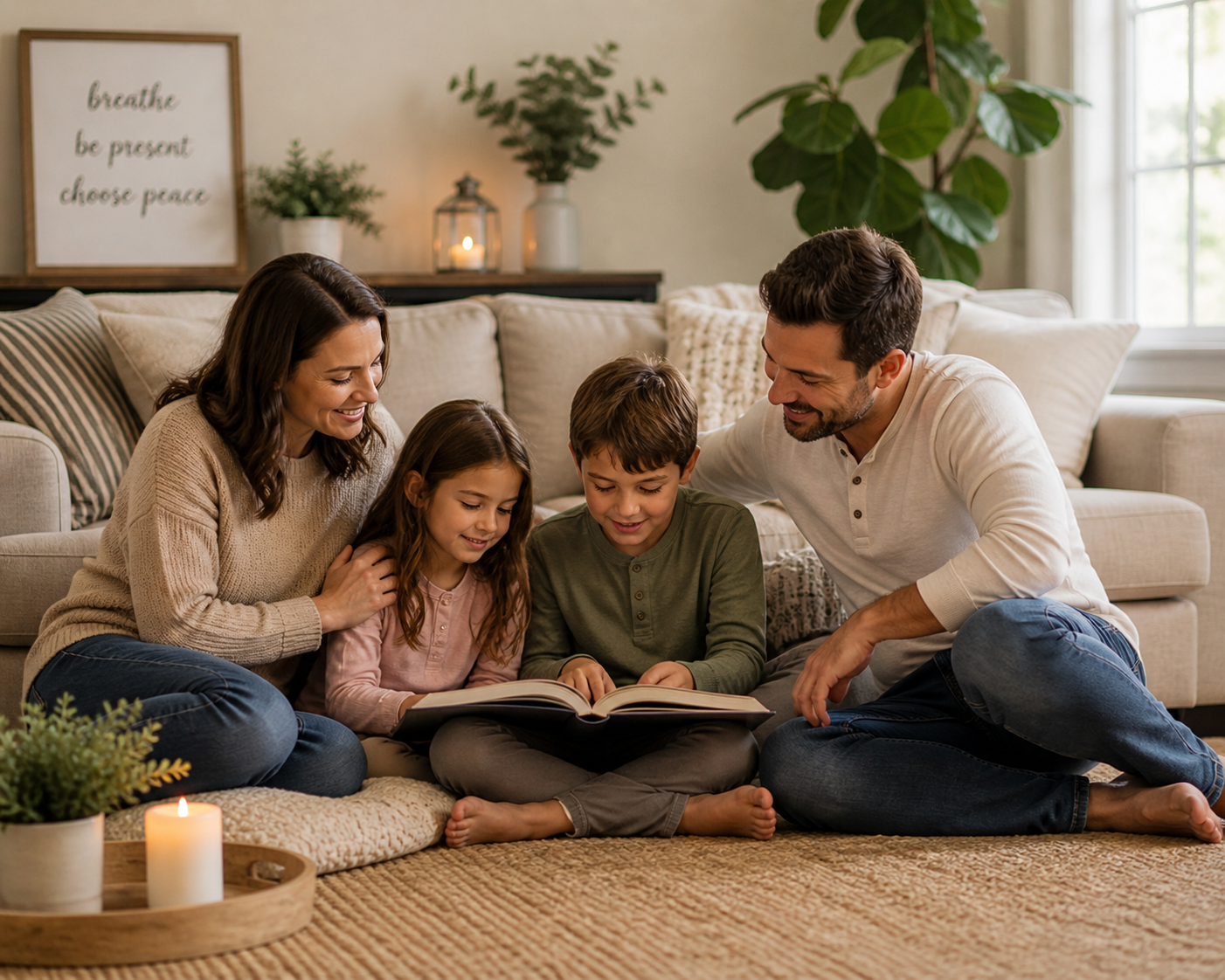
Chaos to Calm: How to Create a Peaceful Home for Your Kids
The backpack hits the floor with a thud. The dog starts barking at the mail carrier. A sibling argument erupts in the kitchen over whose turn it is to empty the dishwasher. You walk in the door, and your shoulders instantly tense up. Does this sound familiar?
If you nodded your head, I want you to know you aren't alone. For so many parents I talk to, the home feels less like a sanctuary and more like a command center for chaos. Between school schedules, work deadlines, and the endless stream of household chores, creating a calm home environment often feels like a distant dream reserved for people with more time and fewer toddlers.
But here is the truth I’ve learned through my work and my own journey as a parent: the atmosphere of our home is the invisible air our children breathe. It shapes their nervous systems, influences their behavior, and lays the foundation for their emotional well-being. A chaotic environment often breeds chaotic minds, but a serene home can be a powerful antidote to the stress of the outside world.
This guide isn't about achieving a picture-perfect, minimalist magazine spread. I know that’s not realistic for most of us. Instead, we are going to focus on practical, real-world strategies for reducing friction and fostering a peaceful family life. At Lewis Family Psychiatry, we believe that small changes in your environment can lead to massive shifts in your family's mental health.
The Connection Between Environment and Mental Health
Research consistently shows that our physical surroundings have a direct impact on our mental state. For children, whose brains are still developing self-regulation skills, the environment is even more critical. When I see families struggling with behavioral issues, we often look at the environment first.
Clutter, noise, and visual disarray can overstimulate a child's sensory processing system. This sensory overload often looks like irritability, difficulty focusing, and those dreaded meltdowns. It’s not just in your head—it’s physiological.
A study published in the Journal of Environmental Psychology found that individuals in cluttered, chaotic homes had higher levels of cortisol, the body's primary stress hormone. Chronic exposure to high cortisol can affect sleep, digestion, and anxiety levels in both kids and adults. Children are emotional sponges; if the home environment feels rushed and tense, they will often mirror that energy with hyperactivity or defiance. Creating a calm space isn't just an aesthetic choice; it is a vital mental health intervention.
Declutter to De-Stress
The first step toward a stress-free home is tackling the physical stuff. Clutter is visual noise. It constantly signals to the brain that there is work to be done, making it impossible to truly relax. I remember feeling overwhelmed by the sheer volume of "stuff" in my own living room and realizing that my anxiety dropped the moment I cleared a single surface.
The "Less is More" Approach with Toys
Have you ever noticed that a child with too many toys often complains of boredom? This is the paradox of choice. Too many options can be paralyzing for a young mind.
I recommend trying a Toy Rotation. Instead of having everything out at once, pack 50% of the toys into bins and store them away. Rotate them every few months. This reduces mess and makes "old" toys feel new and exciting again. It’s a simple trick that saves money and sanity.
Also, establish Designated Drop Zones. Create specific baskets or hooks for items that usually end up on the floor—backpacks, shoes, and coats. When everything has a "home," the mental load of tidying up decreases significantly for everyone.
Clear Surfaces, Clear Minds
Focus on high-traffic areas like the kitchen island or the dining table. These flat surfaces act as magnets for mail, keys, and random clutter. Clearing these surfaces daily can instantly lower the visual volume of a room, giving your eyes a place to rest.
Master the Sensory Environment
A calm home engages all the senses in a soothing way. You can manipulate light, sound, and smell to signal to your family's nervous systems that it is time to slow down.
Lighting Matters
Harsh overhead lighting can feel institutional and stimulating. In the evening, try switching off the "big light" and relying on lamps with warm-toned bulbs. This mimics the setting sun and helps trigger melatonin production for better sleep. During the day, open curtains wide to boost mood and energy with natural light.
The Sound of Silence (or Calm)
Noise pollution in the home—TVs blaring in the background, loud appliances, shouting—increases tension. I encourage families to implement Quiet Hours. This could be a specific time during the day, perhaps before dinner or on weekend afternoons, where electronics are off and volume levels are low.
If silence feels too stark, try background music. Low-volume classical music or lo-fi beats can create a relaxing backdrop that masks jarring noises without being distracting.
Establish Rhythms, Not Just Routines
While routines are about what needs to get done (brush teeth, put on shoes), rhythms are about the flow and feeling of the day. A peaceful family life relies on predictable rhythms that ground children and make them feel safe.
The Morning Launch
Mornings often set the tone for the entire day. If the morning is a frantic rush of shouting and searching for lost shoes, that stress lingers long after drop-off.
Try prepping the night before. Lay out clothes, pack lunches, and check backpacks in the evening. This simple shift moves the frantic energy to a time when you aren't racing the clock.
Another tip that changed my life: Wake Up Earlier. It sounds painful, I know. But waking up 15 minutes before your kids allows you to have coffee and center yourself before the demands begin. A calm parent creates calm kids.
The Evening Decompression
How does your home feel at 6:00 PM? This is often the "witching hour." Create transition rituals to bridge the gap between the busy day and the restful evening. This could be changing into comfortable clothes immediately upon getting home, lighting a candle, or having a "highs and lows" conversation at dinner.
Foster Emotional Safety
A calm home is more than just a tidy house; it is an emotional climate. It is a place where feelings are allowed, and conflicts are managed with respect. At Lewis Family Psychiatry, we emphasize that emotional safety is the cornerstone of family wellness.
The "Pause" Technique
When tension rises—maybe a drink gets spilled or a sibling hits another—the instinct is often to react immediately with a raised voice.
I encourage you to try the Stop and Breath method. Model emotional regulation for your kids. Say out loud, "I am feeling frustrated right now. I am going to take three deep breaths before I speak." This teaches your children that it is possible to be upset without being explosive.
Create "Cozy Corners"
Designate a small space in the house as a "peace corner" or "calm-down spot." This isn't a time-out chair for punishment; it's a sanctuary. Fill it with soft pillows, books, fidget toys, or a weighted blanket. Teach your children that they can go there voluntarily when they feel overwhelmed and need to reset.
Digital Boundaries for Mental Peace
Our devices are portals to the outside world, bringing news, work stress, and social pressure right into our living rooms. To protect the sanctity of your home, you must set boundaries.
Consider establishing Phone-Free Zones. Keep bedrooms and the dining table strictly screen-free. This encourages eye contact and genuine connection. You might also try a WiFi Curfew by turning off the household router at a certain time each night. This creates a hard stop for digital stimulation and supports better sleep hygiene for everyone.
Building Your Sanctuary Starts Today
Creating a calm home environment is not a weekend project; it is an ongoing practice. It involves constantly editing your possessions, refining your schedule, and tuning in to the emotional needs of your family.
Start small. Maybe this week you just focus on clearing the kitchen counter and dimming the lights after dinner. Watch how the energy shifts. By prioritizing peace within your four walls, you are giving your children the ultimate gift: a solid foundation of security from which they can boldly explore the world.
If you are feeling overwhelmed, remember that transformation is a journey. At Lewis Family Psychiatry, we are here to support your family every step of the way.
Next Steps for Parents
Audit Your Space: Walk through your front door as if you were a guest. What is the first thing you see? Does it make you feel stressed or welcomed? Start your changes there.
Family Meeting: Involve your kids. Ask them, "What makes our house feel crazy? What makes it feel nice?" You might be surprised by their insights.
One-Bag Challenge: Fill one trash bag with items to donate or throw away this weekend. Decluttering is momentum-based; once you start, it gets easier.
