

Sibling Rivalry SOS: How to Find Peace Without Losing Your Cool
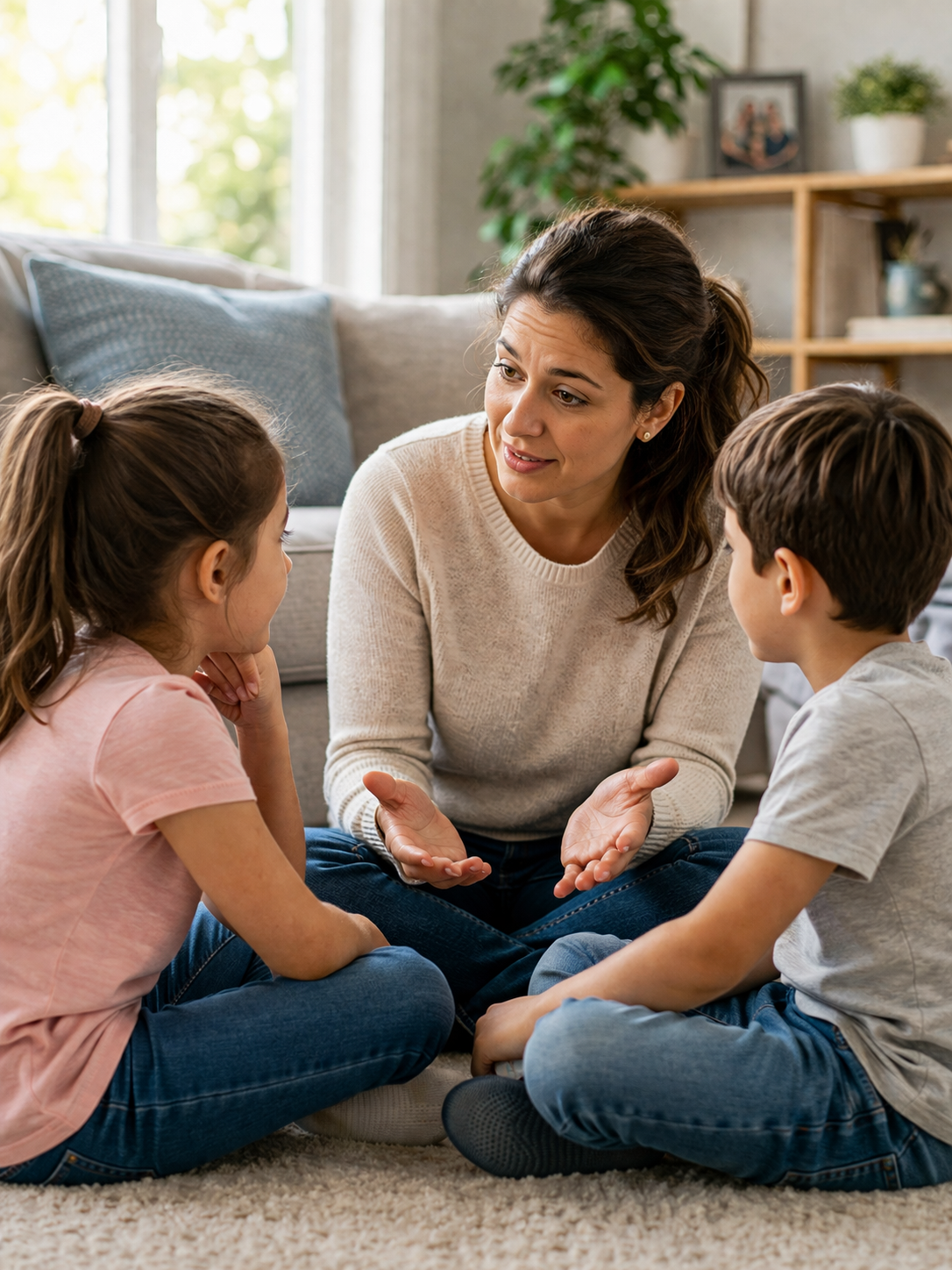
Sibling Rivalry SOS: How to Find Peace Without Losing Your Cool
It starts with a low grumble in the backseat. Then comes the accusatory "He’s looking at me!" or the classic "She took my toy!" Within seconds, the bickering escalates into full-blown screaming, tears, and perhaps a door slam that shakes the hallway.
As a parent, few things grate on the nerves quite like the sound of your children fighting. It triggers an immediate stress response. I know the feeling well—the chest tightening, the urge to shout over them to just stop, or the temptation to banish everyone to their rooms just to get a moment of silence. Sometimes, you just want to hide in the pantry with a handful of chocolate chips and wait for the storm to pass.
But while sibling conflict is exhausting, I want to reassure you of something important: it is also one of the most natural parts of growing up. Your home is the first training ground for social interaction. It is where kids learn how to negotiate, how to assert themselves, and yes, how to resolve disagreements.
The challenge isn't stopping the fighting entirely—that is an impossible goal. The challenge is navigating these storms without losing your own emotional balance. We believe that by shifting your perspective, you can transform these moments of chaos into opportunities for connection. Here is how you can handle sibling rivalry, teach your kids essential conflict resolution skills, and restore a sense of harmony to your home.
Why Do They Fight? The Roots of Rivalry
Before we can fix the problem, we have to understand it. Sibling rivalry rarely happens in a vacuum. While it often looks like they are fighting over a specific blue Lego brick or the "best" seat in the car, the underlying causes are usually deeper. When we understand the "why," we can respond with empathy rather than frustration.
Competition for Resources
In the primal brain of a child, parents are the ultimate resource. Your time, attention, and affection are finite commodities. When a sibling enters the picture, that resource is threatened. Often, a fight isn't about the toy; it's a cry for connection with you.
Developmental Stages
Different ages bring different struggles. Toddlers naturally lack impulse control—they see, they want, they grab. School-aged kids are often obsessed with fairness and rules. Teenagers crave independence and separation. When these developmental needs clash, conflict is inevitable.
Individual Temperaments
Sometimes, personalities just clash. I’ve worked with many families where an introverted child who needs quiet struggles deeply when living with an extroverted sibling who processes life at high volume. Neither child is "wrong," but their needs are in opposition.
HALT Triggers
Just like adults, kids are more prone to conflict when their basic needs aren't met. We call these the HALT triggers: Hungry, Angry, Lonely, or Tired.
Understanding these triggers helps you move from reacting with anger to responding with curiosity. Instead of asking "Why are you being so mean?", you can ask yourself, "What does my child actually need right now?"
The Art of the Pause: Regulating Yourself First
The most important step in managing sibling conflicts happens before you say a word to your kids. It happens inside you.
When siblings fight, the noise and chaos send your nervous system into "fight or flight" mode. If you intervene while your own adrenaline is pumping, you are likely to yell, shame, or make rash punishments that don't actually teach anything. We can't teach our children emotional regulation if we are dysregulated ourselves.
Before you step in, try this:
Stop. Do not react immediately unless there is physical danger.
Breathe. Take a deep breath to signal safety to your brain.
Assess. Is this a squabble they can work out, or do they need a coach?
By modeling calm, you de-escalate the situation. You show them that conflict is not an emergency; it is just a problem to be solved.
Stop Being the Referee (And Start Coaching)
Many parents fall into the trap of being the referee. We rush in, hear the evidence ("He hit me!" "She started it!"), decide who is guilty, and hand out a penalty.
The problem with being a referee is that one child wins, and the other loses. The "loser" feels resentful, often fueling the next fight to get even. Instead, try to be a sportscaster or a coach.
Narrate Without Judgment
Walk into the room and describe what you see without taking sides. This neutral observation lowers defenses.
Instead of: "Why are you hitting your sister?"
Try: "I see two very angry kids and a pile of broken blocks. It looks like you’re having a hard time."
Listen to Both Sides
Give each child a chance to speak without interruption. This validates their feelings. Even if their logic is flawed, their emotions are real to them.
"You felt mad because he knocked over your tower."
"And you felt left out because she wouldn't let you play."
Brainstorm Solutions Together
Once everyone feels heard, put the ball back in their court. Ask, "We have a problem. Two kids want the same toy. How can we solve this?"
You might be surprised by their creativity. They might suggest setting a timer, playing together, or trading toys. When they come up with the solution, they are far more likely to stick to it. This process teaches them negotiation and compromise—skills they will use for the rest of their lives.
Fostering Sibling Relationships Through Empathy
Conflict resolution is reactive; fostering connection is proactive. To reduce rivalry in the long term, we want to help your children see each other as teammates rather than opponents.
Encourage "Making It Right" Over Forced Apologies
A mumbled "sorry" while looking at the floor doesn't heal a relationship. It’s often just a performance to get out of trouble. Instead of forcing an apology, encourage your child to "make it right."
Does the sibling need an ice pack for a bump?
Do they need help rebuilding the tower?
Do they need a hug or some space?
This teaches responsibility and genuine care rather than performative regret.
Create Team Opportunities
Create scenarios where they have to work together to succeed. This could be a scavenger hunt where they have to solve clues together, or a "clean-up challenge" to beat a timer. When they share a goal, they learn to value each other's strengths.
Avoid Comparisons
This is a golden rule for fostering sibling relationships. Avoid labels like "the smart one," "the athletic one," or "the quiet one." Even positive labels create boxes that kids feel trapped in. Never say, "Why can't you be more like your brother?" This breeds deep-seated resentment. Celebrate each child for their unique individual traits without measuring them against their sibling.
Setting Up Your Home for Success
Sometimes, handling sibling rivalry is about environmental design. You can structure your home life to minimize friction points.
Respect Possessions and Space
Just because they are siblings doesn't mean they have to share everything. Everyone needs autonomy. Allow each child to have a "special box" or a high shelf where they can keep treasured items that siblings are not allowed to touch. Respect their physical boundaries. If a child says "stop touching me," enforce that rule immediately.
Carve Out Individual Time
Rivalry often stems from a fear that there isn't enough parental love to go around. One-on-one time is the antidote. Spend 10 to 15 minutes a day with each child doing exactly what they want to do. Put your phone away. When their "connection cup" is full, they are less likely to pick fights to get your attention.
Knowing When to Step Back
It is tempting to micromanage every interaction, but sometimes the best thing you can do is nothing. If the conflict is minor bickering, wait. Give them a chance to figure it out.
If you jump in too soon, you rob them of the opportunity to practice the skills you have been teaching them. Watch from a distance. If they start to work it out, stay quiet. If it escalates, step in calmly as a coach, not a savior.
The Long View: Peace is a Practice
Managing sibling conflict is exhausting work. There will be days when the screaming feels endless and you wonder if they will ever be friends.
Take heart. The bickering of today often lays the groundwork for the deep bond of tomorrow. By guiding them through these conflicts with patience and empathy, you aren't just stopping a fight; you are teaching them how to love imperfect people, how to forgive, and how to live in community.
If you feel like the conflict in your home is unmanageable or affecting your child's mental health, you don't have to navigate it alone. At Lewis Family Psychiatry, we specialize in helping families find their balance again through holistic, evidence-based care.
So, take a deep breath. You haven't failed because they are fighting. You are just in the middle of a very important lesson. Keep your cool, coach them through it, and remember that peace is a practice, not a destination.
